Contrôle et surveillance simplifiés des patrouilles pour la police locale
Contexte
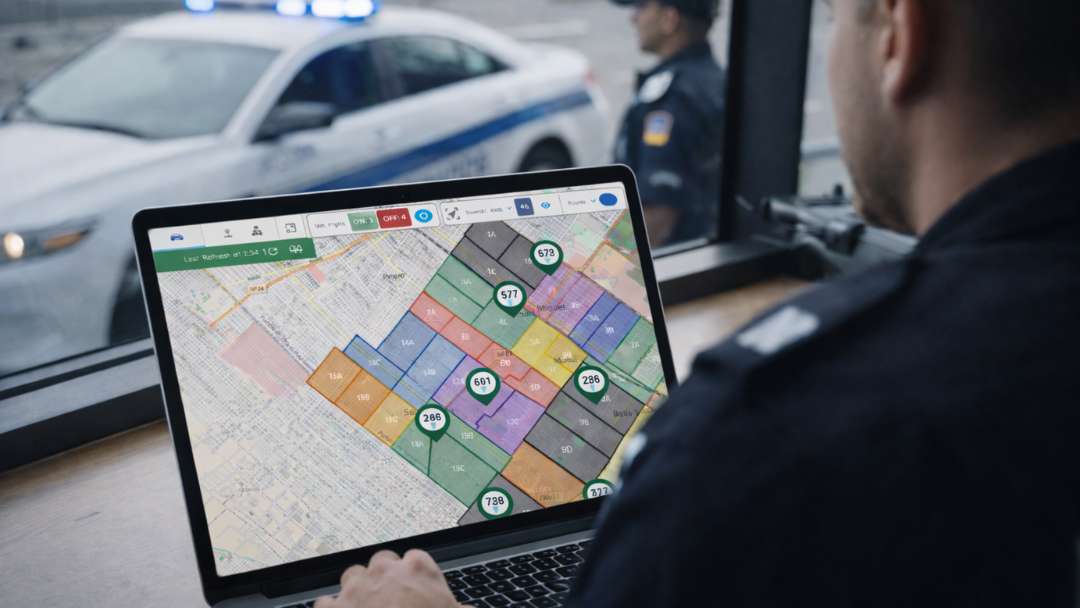
U Un service de police local avait besoin d'un moyen plus efficace pour planifier, surveiller et documenter les patrouilles. activité dans de multiples domaines. Les opérations quotidiennes nécessitaient d'affecter des agents aux véhicules, de s'assurer que chaque unité suivait les itinéraires de patrouille requis et de maintenir un enregistrement clair et vérifiable de la couverture pour la surveillance interne et les rapports municipaux.
L'équipe avait également besoin d'une solution qui réduirait la dépendance à l'égard de fournisseurs externes pour les changements opérationnels de routine, en particulier lorsque les grilles de patrouille ou les exigences en matière d'itinéraires devaient être mises à jour rapidement.
Problème
Le service était confronté à un problème de contrôle pratique : les grilles et les itinéraires de patrouille n'étaient pas faciles à gérer en interne. L'importation de grilles de patrouille n'était pas simple, et toute modification de la structure zonale nécessitait souvent de demander des modifications à un fournisseur externe, créant des retards et limitant l'agilité opérationnelle.
En parallèle, les superviseurs ne disposaient pas d'un moyen simple de gérer plusieurs patrouilles sur une seule carte avec une responsabilité claire. Ils devaient comprendre d'un seul coup d'œil quelles patrouilles étaient actives, de quelle zone chaque unité était responsable, si les itinéraires requis étaient effectués et quels agents étaient affectés à chaque véhicule. La création de rapports prenait également beaucoup de temps, nécessitant une sortie Excel pour la gouvernance, l'audit et l'analyse ad hoc.
Opérations de patrouille centralisées avec importation KML, validation de couverture et affectation d'agent
Le département a mis en œuvre un flux de gestion centralisé des patrouilles qui permettait aux superviseurs d'importer des grilles de patrouille directement au format KML et de gérer les mises à jour en interne. Cela a éliminé le goulot d'étranglement opérationnel lié au recours à des fournisseurs tiers pour les modifications de routine des zones de patrouille.
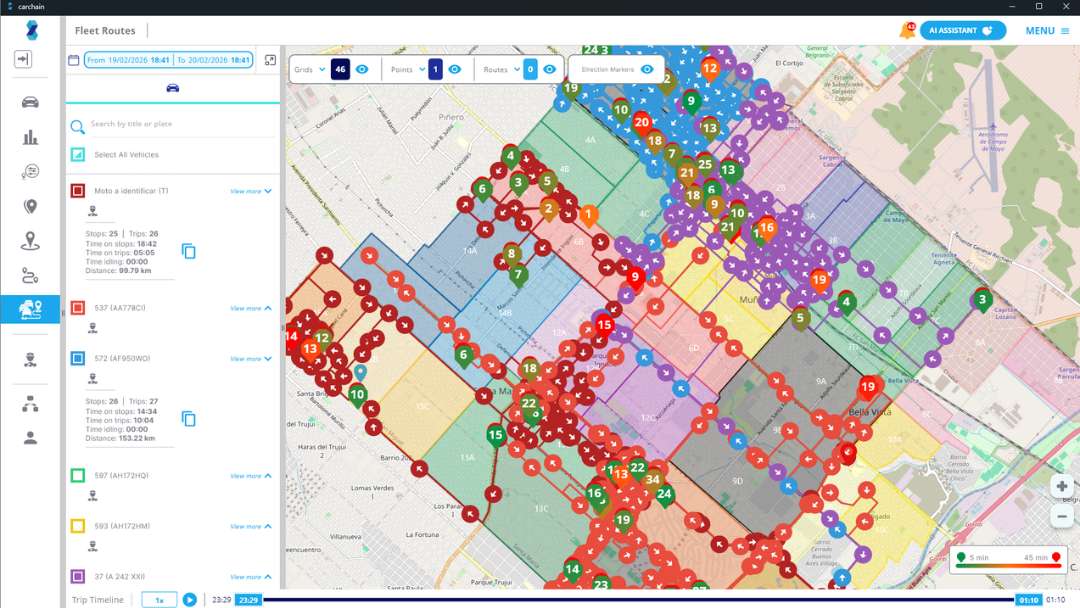
Les itinéraires des patrouilles et les responsabilités des zones ont été configurés sur une base par unité, et la plate-forme a validé si les véhicules de patrouille couvraient réellement les grilles qui leur étaient attribuées. Les superviseurs ont pu mesurer la conformité et la couverture, transformant la planification des patrouilles en un KPI opérationnel mesurable plutôt qu'en une hypothèse manuelle.
Pour renforcer la responsabilité, les agents ont été reliés aux unités de patrouille via des balises associées à chaque agent. Cela a permis de suivre de manière fiable qui patrouillait dans chaque unité et à quel moment, soutenant les opérations de quart de travail, l'examen des incidents et une surveillance transparente.
- Importer des grilles de patrouille en KML sans dépendance externe
- Attribuer des itinéraires de patrouille et la couverture requise par unité
- Valider la couverture des zones et la conformité des itinéraires (suivi de la conformité)
- Associez les agents aux véhicules à l’aide de balises pour une responsabilité claire
- Visualisation sur une seule carte pour gérer plusieurs patrouilles en temps réel
- Exportations Excel pour les rapports de gouvernance et les analyses ad hoc
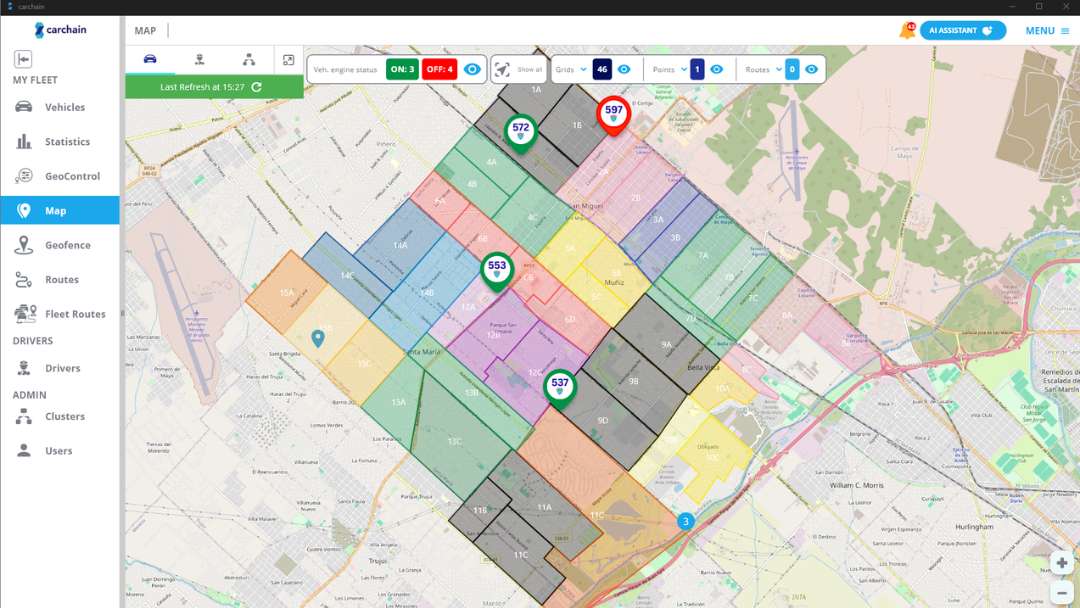
Enfin, les superviseurs ont géré plusieurs patrouilles via une seule vue cartographique opérationnelle et ont exporté les données opérationnelles vers Excel pour des rapports municipaux et une analyse plus approfondie. Cette supervision quotidienne simplifiée, réduit la charge administrative et améliore la qualité de la prise de décision.
Carte ZXQUA pour la surveillance des patrouilles
Comment fonctionne le flux patrouilles
Les grilles de patrouille sont importées à l'aide de KML et attribuées aux unités de patrouille. Les agents sont liés aux véhicules à l'aide de balises. Pendant que les véhicules circulent, le système enregistre les mouvements et valide la couverture dans les grilles et les itinéraires attribués. Les superviseurs examinent l'activité sur une seule carte et exportent les rapports vers Excel pour le suivi et l'analyse.
Avantages
En intégrant grilles de patrouille, itinéraires, affectations d'agents et reporting dans un système unique, le département a réalisé des améliorations pratiques dans les opérations quotidiennes :
Agilité opérationnelle
Les grilles de patrouille ont pu être mises à jour en interne via l'importation KML, éliminant les retards causés par les demandes adressées aux fournisseurs externes et permettant une réponse rapide aux nouvelles priorités.
Couverture mesurable et conformité
La validation de la couverture garantissait l'exécution des plans de patrouille sur le terrain, soutenant des niveaux de service cohérents et une surveillance objective des performances.
Responsabilité claire de l'unité
L'association d'agents basée sur des balises réduisait l'ambiguïté sur qui était affecté à chaque unité de patrouille, simplifiant le contrôle des équipes et l'examen des incidents.
Surveillance et reporting
UA La vue opérationnelle sur une seule carte a rationalisé la surveillance de plusieurs patrouilles, tandis que les exportations Excel ont pris en charge les rapports municipaux et une analyse plus approfondie.
Le département a remplacé les outils fragmentés et la dépendance vis-à-vis des fournisseurs par un modèle de contrôle de patrouille unifié, améliorant ainsi la réactivité, la responsabilité et la qualité des rapports.
De la surveillance à la gestion des patrouilles
Pour les opérations de police locale, il ne suffit pas de savoir où se trouve un véhicule. Une gestion efficace des patrouilles nécessite des zones structurées, des itinéraires planifiés, une couverture validée, une affectation claire du personnel et des rapports simples.
- Importer et maintenir des grilles de patrouille sans délais de fournisseur
- Contrôler les itinéraires et la couverture sous forme de KPI mesurables
- Lier les agents aux unités pour une surveillance transparente
- Exporter données standardisées pour les audits et analyses opérationnelles
Grâce à un contrôle et à des rapports centralisés, les superviseurs peuvent gérer les patrouilles de manière proactive, améliorer la cohérence du service entre les zones et réduire la charge administrative.
Vous souhaitez simplifier la supervision des patrouilles dans votre ville ?
Découvrez comment l'importation de zones KML, la validation de couverture, l'affectation d'agents basée sur des balises et les exportations Excel peuvent moderniser les opérations de patrouille.